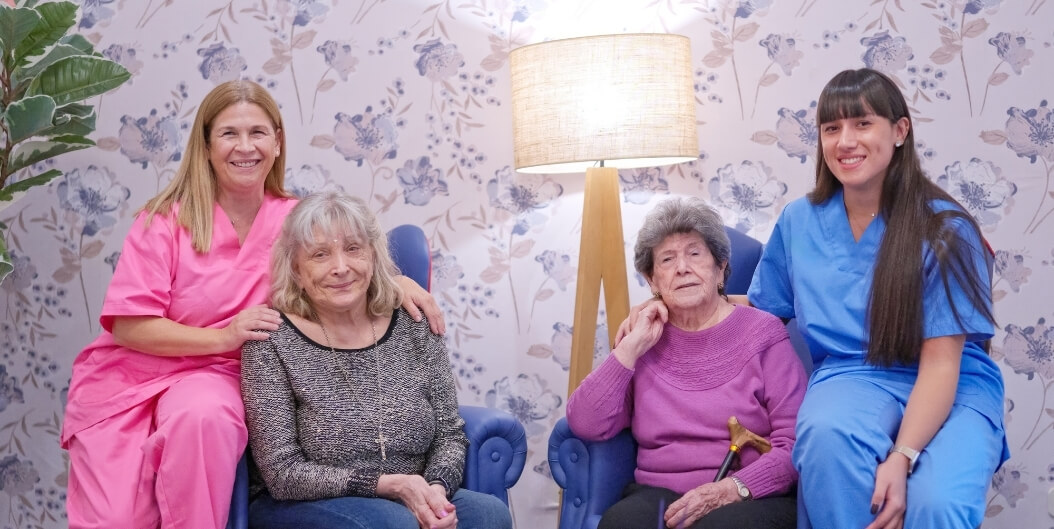
Why High Staff-to-Resident Ratios Matter in Memory Care
Caring for your senior loved one with Alzheimer’s disease or other forms of dementia can be challenging. Memory loss can affect daily routines, behavior, and overall safety. As a family caregiver, you may often worry about whether your loved one is going to receive enough attention, support, and supervision in a memory care setting. One factor that can make a meaningful difference in the quality of care is the staff-to-resident ratio in memory care communities.
Understanding the benefits of memory care communities with high staff-to-resident ratios can help families make informed decisions about senior living options. A higher ratio ensures that residents receive individualized attention, responsive support, and personalized care throughout the day.
What a High Staff-to-Resident Ratio Means
A staff-to-resident ratio in memory care refers to the number of caregivers available relative to the number of residents in a community. In memory care, a higher ratio means more staff members are available to provide one-on-one support, monitor safety, and engage with residents.
For individuals living with memory loss, this additional attention can make a significant difference in their daily comfort and overall well-being. It allows staff to respond promptly to needs, manage challenging behaviors, and provide a higher level of personalized care.
Personalized Attention for Daily Needs
Memory care residents often require assistance with daily activities, such as bathing, dressing, grooming, medication management, and meals. In communities with a higher staff-to-resident ratio, caregivers can spend more time focusing on each resident’s unique needs.
This level of attention supports residents’ dignity and autonomy, allowing them to participate in daily routines at their own pace. Staff can also observe subtle changes in health, behavior, or mood, which can be critical in preventing complications or addressing concerns early.
Enhanced Safety and Supervision
Safety is a top priority in memory care communities. Your senior loved one with dementia may be at risk of wandering, falls, or other accidents due to cognitive changes. A higher staff-to-resident ratio will ensure that memory care staff closely monitors your senior loved one, intervene when needed, and respond quickly in emergencies.
This supervision will provide peace of mind for you, knowing that your loved one is being closely supported around the clock. Communities with lower ratios may struggle to provide the same level of individualized attention and timely response.
Improved Engagement and Social Interaction
Memory care is not only about meeting physical needs, it also includes supporting emotional well-being and social engagement. In communities with higher staff-to-resident ratios, caregivers have more time to facilitate meaningful activities, encourage participation, and provide companionship.
Whether it’s joining in a group activity, sharing a favorite hobby, or offering one-on-one conversation, these interactions help residents stay mentally stimulated, reduce feelings of isolation, and promote overall happiness.
Managing Challenging Behaviors
Cognitive impairment can sometimes lead to agitation, anxiety, or confusion. When staff members have fewer residents to care for, they can respond proactively to these behaviors, offering calming strategies or redirection before situations escalate.
High staff availability allows caregivers to observe patterns, understand triggers, and create individualized care approaches that improve daily comfort and emotional stability for residents.
Supporting Families and Reducing Stress
Families of residents with memory loss often experience stress related to caregiving responsibilities, safety concerns, and uncertainty about daily care. Communities with higher staff-to-resident ratios provide reassurance that their loved one is receiving attentive, personalized care.
This support allows families to feel confident about their decision and focus on quality time with their loved one rather than worrying about unmet needs.
Continuity of Care
A higher staff-to-resident ratio often allows memory care communities to maintain consistent caregivers who become familiar with each resident’s preferences, habits, and personality. This continuity of care fosters trust, strengthens relationships, and helps residents feel secure in their daily environment.
Looking for a Memory Care Community With a High Staff-to-Resident Ratio? Discover Prestonwood Court Memory Care Setting
Understanding the benefits of memory care communities with high staff-to-resident ratios can help you make informed decisions for your senior loved one with dementia or cognitive issues. From enhanced safety and supervision to personalized attention and emotional support, higher staff availability ensures residents thrive in a supportive environment.
At Prestonwood Court, residents benefit from both assisted living and memory care services with a focus on individualized care, compassionate support, and meaningful engagement. If you want to learn more about the memory care options and how the community provides attentive care, schedule a tour today to explore Prestonwood Court and see for yourself.